Hey everyone, let’s cut through the jargon and talk about something that’s been quietly keeping hospitals, clinics, and even home care patients going strong: respiratory consumables. If you’ve ever wondered what’s actually in that big order we ship out every week here at our supply company, you’re not alone. Most people hear “respiratory” and just think oxygen masks—but there’s way more to it, and it’s not just for COVID times, either. I’ve been in this game for 8 years, fielding calls from nurses panicking about missing vent circuits and home care patients who need the right cannula to make their daily walk easier, so let’s break down the common types that show up on nearly every care team’s checklist. Respiratory Consumables

First up, the ones you see every single day: nasal cannulas. If you’ve ever visited a grandma in the hospital and spotted that thin, flexible tube tucked under her nose with two little prongs sticking in? That’s a nasal cannula, and it’s the workhorse of low-flow oxygen delivery. I always tell my clients, “It’s not one-size-fits-all,” because we have pediatric ones that are tiny enough for a 2-year-old who hates anything on their face, standard adult ones that last all night without digging into ears, and even high-flow nasal cannulas (the big kid version) that push way more oxygen for people who need extra support. Last month, a home health nurse ordered 50 of the pediatric ones because a local clinic had a surge of kids with RSV—those little guys can’t handle the bulkier masks, so cannulas are a lifesaver. Pro tip from our team: stock up on extra prongs because they get twisted or chewed (looking at you, tiny toddlers) way faster than you think.
Next, oxygen masks, and no, I’m not just talking about the ones on airplanes. There are a bunch of different masks for different needs, and picking the wrong one leads to wasted oxygen or a patient complaining about discomfort. The simple face mask is what you see in ERs—it’s that loose-fitting plastic mask that covers the nose and mouth, used for medium-flow oxygen, great for people who can’t tolerate a nasal cannula (maybe their nose is raw from breathing troubles). Then there’s the non-rebreather mask, which is for high-flow emergencies—like if someone’s struggling to breathe bad enough that they need almost 100% oxygen. That one has a little valve so the patient doesn’t breathe back in their own CO2, which is crucial for trauma or severe respiratory failure. We also have partial rebreather masks for when you don’t need quite as much flow, and venturi masks that deliver super precise oxygen concentrations—those are huge for patients with chronic conditions like COPD because too much oxygen can actually be bad for them. I once got a frantic call from a pulmonologist who messed up a venturi mask order for a COPD patient, and we overnighted the right one—saved everyone a headache.
Moving on to something that’s been non-negotiable for ventilator and ICU patients: invasive respiratory consumables. This is the stuff that’s not for everyday use, only for when someone’s on a mechanical ventilator and can’t breathe on their own. First, endotracheal tubes (ET tubes)—those are the plastic tubes inserted through the mouth or nose into the trachea to connect the patient to the ventilator. We have different sizes for adults, kids, even neonates, and they come with or without cuffs (the inflatable part that seals the airway to make sure oxygen doesn’t leak out). Then there are tracheostomy tubes—these are for long-term ventilator use, where a surgeon makes a little hole in the neck and inserts the tube straight into the trachea. Trach tubes come in all sorts: some with cuffs, some uncuffed for patients who can talk, some with inner cannulas that you can remove and clean (super important for preventing mucus buildup). I always remind our ICU clients to order extra inner cannulas because cleaning them regularly is key to avoiding infections, and running out mid-shift is a nightmare. Also, vent circuits—those are the long, hollow tubes that connect the ventilator to the ET or trach tube. They have to be sterile for invasive use, and we ship them in pairs because they get changed every few days to cut down on bacteria growth. A lot of people don’t realize how important these are—if a vent circuit has a kink, the patient’s oxygen delivery drops fast.
Another group I want to shout out is airway adjuncts, the little tools that make it easier to get those big invasive tubes in or manage someone’s airway quickly. Nasopharyngeal airways (NPAs) are flexible, rubber or plastic tubes you insert through the nose to keep the airway open for patients who are semi-conscious—way less traumatic than shoving something in the mouth. Oropharyngeal airways (OPAs) go in the mouth, perfect for unresponsive patients who might bite their tongue or block their airway. We also have laryngeal mask airways (LMAs)—those are the ones that are less invasive than ET tubes, used for surgeries or short-term procedures, so no need for a full intubation. They’re super popular with anesthesiologists because they’re faster to place, which is a big deal in ORs. Last quarter, we increased our LMA stock by 30% because more outpatient surgery clinics are switching to them for shorter procedures.
Now, don’t forget about respiratory care for people who aren’t in the hospital—home care consumables. This is a huge market, because more and more patients are managing conditions like asthma, COPD, and sleep apnea at home. Let’s start with nebulizer supplies—nebulizers turn liquid medication (like albuterol for asthma attacks) into a mist you inhale. We have small, portable nebulizers for people who go to work or run errands, and tabletop ones for daily use at home. The key supplies here are nebulizer masks and mouthpieces—mask for little kids who won’t use a mouthpiece, mouthpieces for adults who want more control. Then there’s sleep apnea stuff: CPAP and BiPAP accessories. CPAP machines push constant air to keep your airway open while you sleep, so the consumables here are the mask (nasal pillows, full face masks, nasal masks—everyone has a preference), the tubing that connects the mask to the machine, and filters that need to be replaced every 1-3 months. I get so many calls from CPAP users saying their mask hurts their face after a few hours, so we make sure to carry different cushion types—soft silicone, foam, whatever works. For patients with more advanced sleep apnea, BiPAP accessories are similar, just designed for different pressure settings.
Also, a big one no one talks enough about: respiratory hygiene and infection control supplies. After the pandemic, every clinic and home care agency is hyper-vigilant about this. Things like oxygen tubing—wait, that’s not just random, it’s the tubing that connects the oxygen source to the nasal cannula or mask, and it gets replaced regularly to prevent bacteria buildup. Then there’s suction catheters—super important for patients who can’t clear mucus on their own, whether they’re in the ICU or at home. Suctioning is a delicate process, so having the right size catheter is key to not irritating the airway. We have both sterile single-use catheters for hospitals and reusable ones for home care, as long as they’re cleaned properly. Oh, and disposable gloves, gowns, masks (the surgical and N95 kind), and alcohol swabs—these are the unsung heroes that keep everyone from getting sick while using respiratory devices. During last winter’s RSV surge, we got a huge order for N95s and suction catheters because clinics were short on both, and we made sure to prioritize local clients who needed them fast.
Wait, I should mention specialty consumables too—because some patients have really specific needs. For example, oxygen conserving devices (OCDs) for people who use portable oxygen tanks. These devices only release oxygen when the patient inhales, so they make the tank last way longer—perfect for someone who wants to take a road trip or go to the grocery store without running out of oxygen mid-way. Then there are humidifiers for oxygen or ventilator circuits—dried air from oxygen can irritate the nose, throat, and lungs, so humidifiers add moisture. We have both water-based humidifiers for hospital use and lightweight, portable ones for home care patients. For pediatric patients, we even have fun, cartoon-themed cannula covers and mask pads to make the experience less scary for kids—something our team came up with after a pediatric nurse told us her patients were refusing treatment because the masks looked boring and scary. We started carrying those last year, and sales have been great because it’s such a small touch that makes a huge difference.
Let me be real with you—this stuff isn’t cheap, and it’s easy to overbuy or order the wrong thing. For example, a lot of new home care nurses will order adult nasal cannulas for a petite woman, and they’re way too big, making her ears sore. Or a clinic might mix up a vent circuit for adults vs. neonates, which is a safety issue. That’s why our team here doesn’t just drop ship orders—we call clients to double-check, ask about the patient’s needs, and help them pick the right consumables. We’ve been doing this long enough that we know the ins and outs, and we’re not just here to sell you a box—we’re here to make sure your patients get the best care possible.
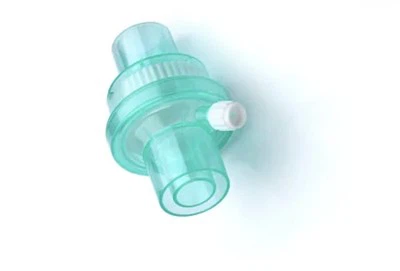
At the end of the day, respiratory consumables are all about accessibility, comfort, and safety. Whether it’s a newborn with respiratory distress needing a tiny trach tube, an 80-year-old with COPD needing a precise venturi mask, or a teen with asthma using a portable nebulizer before soccer practice, the right consumable makes all the difference. If you’re a clinic manager, home care coordinator, or nurse who needs a reliable supply partner, don’t hesitate to reach out to us. We stock all these types, offer bulk pricing, and can ship fast when you have an emergency. We’re here to help you keep your patients breathing easy, no matter what.
Electrosurgical Instruments References
- American Association for Respiratory Care. (2022). Respiratory Consumables and Devices: Clinical Practice Guidelines. AARC Press.
- Centers for Disease Control and Prevention. (2023). Infection Prevention and Control for Respiratory Equipment in Healthcare Settings. CDC Healthcare-Associated Infections Program.
- Global Home Care Respiratory Devices Market Report. (2024). Market Research Future.
- McIntyre, R. C., et al. (2021). Invasive Respiratory Consumables: Best Practices for ICU and Home Care. Critical Care Nursing Quarterly, 44(3), 217-228.
Hangzhou Benzgum Medical Technology Co., Ltd.
Hangzhou Benzgum Medical Technology Co., Ltd. is one of the most professional respiratory consumables manufacturers and suppliers in China, featured by quality products and good service. Please rest assured to wholesale custom made respiratory consumables from our factory. Contact us for OEM&ODM service.
Address: Room 708, 7th Floor, Building 4, Haichuang Technology Center, No. 1288 Wenyi West Road, Yuhang District, Hangzhou City
E-mail: yang@surgicasupply.com
WebSite: https://www.surgicasupply.com/
