If you’ve walked past a downtown office park, a well-maintained warehouse complex, or a local retail strip and noticed a chain-link fence that doesn’t make you do a double-take, chances are it was installed or modified by someone who knows how to elevate what’s often written off as a utilitarian barrier. As a commercial fencing supplier who’s worked with business owners, facilities managers, and general contractors for over 12 years, I’ve lost count of how many times I’ve heard, “Chain-link? Isn’t that just for construction sites and dog parks?” The truth is, chain-link commercial fencing is one of the most durable, cost-effective, and low-maintenance options on the market—when you tailor it to match your property’s aesthetic, brand, and functional needs. Over the years, I’ve helped hundreds of clients turn a mundane fence into a intentional part of their property’s design, and today I’m breaking down the science, the tweaks, and the small (and not-so-small) upgrades that make that possible. Commercial Fencing
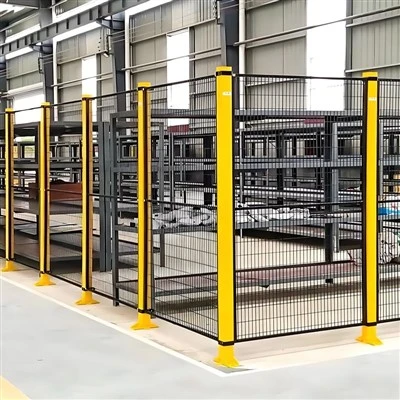
First, let’s get one thing straight: the core complaint about chain-link fencing is rarely the metal itself—it’s the 2-inch galvanized silver mesh that’s synonymous with temporary or industrial spaces. The good news is that most of these aesthetic fixes don’t sacrifice the durability commercial clients rely on. Galvanized steel, the base material for most chain-link, is naturally corrosion-resistant; adding a coat of the right coating, for example, doesn’t weaken the mesh or its ability to stand up to wind, vehicle impacts, or foot traffic. That’s a critical point I always make to clients worried about function: none of these upgrades are just cosmetic. They’re extensions of the fence’s performance.
The first and most impactful upgrade, by far, is color coating. Most people don’t realize that chain-link mesh and the top/bottom rails, posts, and gates aren’t only available in silver galvanized. Modern powder coating technology lets us apply a finish that’s baked onto the metal, creating a bond that’s far more durable than old spray-paint jobs that peel or fade after two seasons. For commercial properties, this is a game-changer because you can match your fence to your brand’s color palette, your building’s exterior, or the natural landscape of your lot.
I’ll give you an example: last year, a regional grocery chain came to me with a problem. Their new store was located in a historic downtown district with brick facades and warm, earthy tones, but their chain-link fence quote from a big-box supplier only included silver. We went with a matte tan powder coat that matched the mortar lines of the store’s brick foundation and the accents on their storefront. Instead of looking like an afterthought, the fence blended so well that local customers didn’t even notice it until they were right at the loading dock—exactly the level of unobtrusive branding a retail business wants. Powder coating comes in almost every RAL color, from classic black and white to forest green, charcoal gray, even soft blues and reds. The key here is choosing a color that either complements your existing exterior or creates a subtle contrast without clashing. I always tell clients to grab a small powder-coat sample and hold it up to their building’s trim, roof, or landscaping before committing—natural light makes a huge difference in how a color looks, and what works in a warehouse yard might look harsh next to a medical office.
If powder coating is too big an investment for a property that only needs a short section of fence, or if you want an even more subtle look, there’s another trick that’s been popular with commercial clients for decades: slats. Chain-link slats are flexible, vinyl or metal strips that slide through the openings in the mesh, covering up the diamond pattern while still letting air flow through (no wind catch, so no extra stress on the fence posts). They come in two styles: privacy slats, which block most visibility, and decorative slats, which leave small gaps for light. For many of our clients, slats are perfect for balancing privacy and aesthetics. A landscaped office park, for example, might use semi-transparent dark gray slats to screen employee parking from view but still let sunlight reach the perimeter plants. A daycare center might use light gray slats on the lower 3 feet of the fence for safety, and clear slats on the upper 3 feet so kids can see out (and staff can supervise easily from outside). The best part about slats? They’re low-cost, easy to install, and you can swap them out if you rebrand down the line—no need to replace the entire mesh. I once had a café client that changed their brand color from red to deep blue, and we just swapped out their red privacy slats for blue ones in a single afternoon, no digging or removing posts.
For clients that want a more permanent, upscale look, there’s a middle ground between bare chain-link and full privacy wall inserts: hybrid fencing. This is where we pair chain-link posts and rails with solid infill panels of metal, composite, or even wood. Wait, before you think “that sounds expensive,” let me explain. Hybrid systems use chain-link for the structural base—posts that go 3 feet deep into the ground, rails that hold the whole assembly secure—then add solid panels between the posts instead of mesh. This combines the durability of chain-link (it’s almost impossible to bend or break a steel post) with the polished look of a solid fence. The infill panels can be powder-coated metal, so they match the posts (no sharp edges, no uneven spacing), or they can be real wood composite, which resists rot, termites, and fading way better than natural wood. A hospital client of mine used this hybrid system a few years ago for their new visitor parking lot. They didn’t want a cold, industrial-looking chain-link fence, but they also didn’t want to deal with the maintenance of a wood privacy fence that would need staining every 2 years. We installed 6-foot steel posts, added 4-foot tall solid black metal infill panels (powder-coated to match the hospital’s logo colors), and left the top 2 feet as open chain-link. It gave them the privacy and security they needed to keep car theft low, but the black metal panels looked sleek, professional, and fit right in with the hospital’s modern glass facade. Another benefit of hybrid fencing: it’s still customizable. If you need a gate for delivery trucks, you can match the gate’s infill panel to the rest of the fence, instead of having a generic metal gate that sticks out like a sore thumb.
One of the most underrated parts of making chain-link fencing look better is the details: posts, caps, and gates. Most suppliers use plain, round galvanized posts that look functional, but upgrading to square or fluted posts instantly makes the fence look more modern and intentional. Square posts, for example, have cleaner lines that work better with contemporary architecture, while fluted posts (with subtle vertical grooves) add a hint of texture without being over-the-top. Post caps are another small touch that makes a big difference. Instead of leaving the top of the post open (which lets water get in and cause rust, by the way), adding a matching powder-coated cap gives the fence a finished, polished look. For a retail property, matching the cap color to your brand’s accent color is a tiny detail that adds up to a professional, put-together look. Gates are another area where clients often cut corners, but a custom gate that matches your fence’s color, material, and style is non-negotiable. Generic pre-made gates from big box stores are often made of thinner metal, so they bend easily, and they don’t fit the rest of the fence’s aesthetic. We build custom gates for every client, sized exactly for their opening, coated in the same powder coat as the fence, with hinges and latches that match—no mismatched silver hardware sticking out like a sore thumb.
Now, let’s talk about functional considerations, because as a commercial fencing supplier, I’ll never sell a product that looks good but doesn’t work. Chain-link is already great for security, but some aesthetic upgrades can actually enhance security, which is a win-win. For example, privacy slats not only look better, but they also prevent people from seeing inside your property—no more hiding of valuable equipment or inventory behind the fence. Hybrid fencing with solid infill panels eliminates the gaps where someone could reach through and grab items, making your fence more secure while looking better. Powder coating, when applied correctly, doesn’t just make the fence look good—it creates a barrier that keeps the steel from rusting, so your fence will last 10, 15, even 20 years instead of 5 or 6. That’s a huge cost-saver for commercial clients, who can’t afford to replace their fencing every few years.
I also often advise clients to consider their property’s surroundings when choosing upgrades. A fence for a suburban office complex is going to have different needs than one for a warehouse in an industrial park. For example, an industrial park might opt for a darker charcoal powder coat to hide dirt and grime from delivery trucks, while a residential community adjacent to a commercial park might go with a light green or tan to blend with the trees and landscaping. For properties near historic districts, we offer special low-profile chain-link options that are designed to look less obtrusive, with narrower diamond mesh and posts that are spaced further apart, so they don’t block the view of historic buildings when viewed from the street.
Another common question I get: “Is there a way to make chain-link look more like wrought iron without the high price tag?” The short answer is yes, and it’s called decorative chain-link mesh. Unlike standard 2-inch diamond mesh, decorative mesh has smaller, more intricate diamonds, sometimes with curved edges, and it’s often powder-coated in black or bronze to mimic the look of wrought iron. It’s way cheaper than real wrought iron fencing, more durable, and doesn’t require the same level of maintenance (no rusting, no repainting every year). I installed this for a boutique office building in downtown a few years ago—they wanted the classic, elegant look of wrought iron around their patio, but the budget was tight for custom wrought iron. The decorative chain-link mesh looked almost identical from 10 feet away, cost half as much, and has held up perfectly for 7 years now. It’s a perfect middle ground for clients who want a upscale look without the upscale price.
Let’s also address the elephant in the room: misconceptions about chain-link being “cheap.” I’ve had clients tell me, “We used chain-link before and it looked awful,” and when I look at their old fence, it’s easy to see why: they used galvanized silver mesh, no color coating, plain posts, and cheap pre-made gates. That’s not chain-link— that’s a low-effort, minimal-spec fence. When you invest in quality materials and intentional upgrades, chain-link becomes a versatile, attractive option that outlasts many other fencing types. For example, wood fences rot, warp, and need staining every 2-3 years; vinyl fences can crack in extreme temperatures and look faded after 5 years; metal privacy fences are often more expensive than upgraded chain-link and don’t offer the same level of flexibility. Chain-link, when customized, checks all the boxes: durable, secure, low-maintenance, and aesthetically flexible enough to fit almost any commercial property.

At the end of the day, making chain-link commercial fencing more aesthetically pleasing is about meeting your property’s specific needs, not following trends. Whether you’re a retail business owner trying to match your brand, a facilities manager at a hospital needing a secure but professional barrier, or a warehouse manager wanting a durable fence that doesn’t look like an afterthought, there’s a chain-link upgrade that works for you. The key is to partner with a supplier who understands both the technical side of fencing and the design needs of commercial properties, not just selling you the cheapest option on the shelf.
Court Fence If you’re tired of looking at a chain-link fence that clashes with your property, or you’re planning a new build or renovation and want a fencing option that’s both functional and attractive, I’m here to help. We offer free on-site consultations to assess your property, discuss your needs, and put together a customized plan that fits your budget. No generic quotes, no pushy sales tactics—just honest advice and quality fencing that works as hard as your business does.
References
- Fence Institute. (2022). Commercial Fencing Aesthetics: Balancing Function and Design. Fence Industry Journal.
- Powder Coating Manufacturers Association. (2021). Performance and Color Options for Metal Fencing Finishes.
- American Fencing Contractors Association. (2023). Hybrid Fencing Systems for Commercial Properties: Durability and Design Considerations.
Anping County Chengrun Metal Products Co., Ltd.
With abundant experience, we are one of the most professional commercial fencing manufacturers and suppliers in China. Please feel free to buy premium commercial fencing for sale here from our factory. All customized metal products are with high quality and competitive price.
Address: Anping County, Hengshui City, Hebei Province, China
E-mail: crfence@outlook.com
WebSite: https://www.chengrunfence.com/
