When it comes to the world of wool, two terms that often come up are wool roving and wool yarn. As a wool yarn supplier, I’ve encountered numerous customers who are curious about the differences between these two forms of wool. In this blog, I’ll delve into the unique characteristics, production processes, and common uses of wool roving and wool yarn to help you better understand their distinctions. Wool Yarn
1. Understanding Wool Roving
Wool roving is an intermediate step in the wool processing journey. It is essentially raw wool that has been cleaned, carded, and prepared but not yet spun into yarn. Here’s a closer look at its features:
Characteristics
- Loose and fluffy: Wool roving has a soft, airy texture. It consists of fibers that are loosely aligned in a long, continuous strand. This loose structure gives it a light – and – fluffy appearance, much like a cloud of wool.
- Variable thickness: Since it’s not spun into a consistent form, the thickness of wool roving can vary along its length. You may find thicker and thinner sections as you handle it.
- Natural feel: Roving retains a very natural feel as it is close to the state of the raw wool. It has a softness and pliability that many fiber artists appreciate.
Production Process
The production of wool roving starts with raw wool, which is sheared from sheep. The first step is scouring, where the wool is thoroughly cleaned to remove dirt, grease, and other impurities. After scouring, the wool is carded. Carding involves passing the wool through a series of wire – toothed rollers that align the fibers in a more or less parallel direction. This process also helps to blend the fibers and remove any remaining debris. The result of carding is a long, continuous strand of wool roving.
Common Uses
- Felting: Wool roving is a popular choice for felting projects. Felting is a process where wool fibers are matted together using heat, moisture, and friction. The loose fibers in roving easily interlock during felting, making it ideal for creating three – dimensional objects like felted animals, jewelry, or home decor items.
- Spinning: For those who are interested in learning how to spin their own yarn, wool roving is the perfect starting material. Spinners can use spinning wheels or drop spindles to transform the roving into custom – made yarn.
2. Exploring Wool Yarn
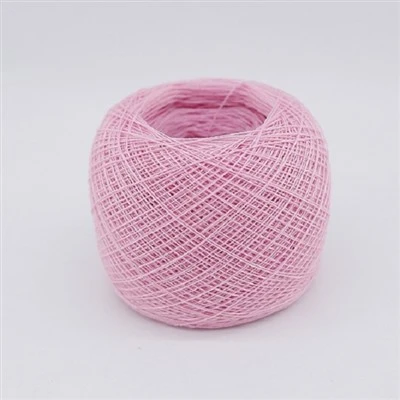
Wool yarn, on the other hand, is the end – product of the spinning process. It is made by twisting together fibers to create a strong, continuous strand. Here are the details about its features:
Characteristics
- Uniform thickness: Unlike wool roving, wool yarn has a relatively consistent thickness. This uniformity makes it suitable for a wide range of knitting and crocheting projects, as it ensures even stitches.
- Strength and durability: The twisting process in yarn production gives it strength. Wool yarn can withstand the tension of knitting and crocheting, and it holds its shape well over time.
- Variety of textures: Wool yarn comes in different textures, such as smooth, fuzzy, or slubby. These textures are achieved through various spinning techniques and the use of different types of wool fibers.
Production Process
After the wool has been scoured and carded into roving, it is ready to be spun into yarn. Spinning involves taking the roving and twisting it to bind the fibers together. There are different spinning methods, including hand – spinning, where a spinner uses a spinning wheel or a drop spindle, and machine – spinning, which is more commonly used for large – scale production. Once the yarn is spun, it may be further processed, such as being dyed, plied (twisting multiple strands of yarn together), or finished to enhance its appearance and performance.
Common Uses
- Knitting and crocheting: Wool yarn is the go – to material for knitting and crocheting enthusiasts. It can be used to create a vast array of items, from cozy sweaters, scarves, and hats to intricate lace shawls and baby blankets.
- Weaving: In the world of weaving, wool yarn is highly valued for its strength and texture. It can be used as the warp (the lengthwise threads on a loom) and the weft (the cross – wise threads) to create beautiful woven fabrics for clothing, rugs, and wall hangings.
3. Key Differences between Wool Roving and Wool Yarn
Physical Appearance
The most obvious difference is in their physical appearance. Wool roving is loose and fluffy, with a more natural and un – spun look. It appears as a soft, continuous mass of fibers. In contrast, wool yarn is a more structured, tightly – wound strand. It has a smooth or textured surface depending on the spinning technique, and it is easier to handle and measure due to its consistent thickness.
Handling and Manipulation
Handling wool roving requires a bit more care. Because of its loose structure, it can easily snag or come apart if not handled gently. When working with roving for felting or spinning, you need to be mindful of the fibers and keep them in place. Wool yarn, on the other hand, is much easier to handle. It can be wound into balls or skeins, making it convenient for storage and use in knitting, crocheting, or weaving projects.
End – Uses
As mentioned earlier, their end – uses differ significantly. Wool roving is mainly used for felting and as a starting material for spinning your own yarn. It is not suitable for traditional knitting or crocheting without being spun first. Wool yarn, however, is the final product that can be directly used in a wide variety of fiber crafts.
4. Why Choose Our Wool Yarn as a Supplier
As a wool yarn supplier, I am proud to offer a wide range of high – quality wool yarns. Our yarns are made from carefully selected wool fibers, ensuring softness, warmth, and durability.
- Variety of options: We have a diverse selection of wool yarns in different weights, colors, and textures. Whether you’re looking for a fine – gauge yarn for delicate lacework or a thick, chunky yarn for a cozy winter scarf, we’ve got you covered.
- Sustainable sourcing: We are committed to sustainable and ethical sourcing practices. Our wool comes from farms that prioritize the well – being of the sheep and the environment.
- Consistent quality: Our team of experts closely monitors the production process to ensure that each batch of wool yarn meets our high – quality standards. You can trust that the yarn you receive from us will be of consistent thickness and excellent performance.
5. Conclusion and Call to Action
Understanding the difference between wool roving and wool yarn is essential for anyone interested in working with wool. Whether you’re a seasoned fiber artist or just starting out, knowing the unique properties and uses of each can help you choose the right material for your projects.
Woolen-spun Yarn If you’re in the market for high – quality wool yarn, I encourage you to reach out to us for a purchase consultation. We’d be more than happy to assist you in selecting the perfect yarn for your next creative endeavor.
References
- Landi, M., & Matlack, K. S. (2019). Textiles: A Concise Guide, Third Edition. Bloomsbury Publishing.
- Paddington, B. (2015). The Knitter’s Book of Yarn: The Ultimate Guide to Choosing, Using, and Enjoying Yarn. Storey Publishing.
Huangshan Aotai Textile Co., Ltd.
As one of the most professional wool yarn manufacturers and suppliers in China, we’re featured by quality products and good service. Please rest assured to wholesale bulk premium wool yarn in stock here and get quotation from our factory. We also accept customized orders.
Address: Development Zone, Bei’an Town, She County, Huangshan City, Anhui Province
E-mail: aotaifangzhi2007@163.com
WebSite: https://www.cn-aotai.com/
