As a supplier of aerial work platforms, I’ve seen the growing demand for equipment that can safely and efficiently reach elevated work areas. Scissor lifts, one notable type in this category, often spark questions about how they compare to other aerial work platforms. Understanding these differences can help customers make an informed decision when it comes to purchasing the right equipment for their specific needs. Aerial Work Platform

1. Structural Design
Scissor Lifts
The most distinctive feature of scissor lifts is their scissor – like mechanism. These lifts consist of a series of linked, folding supports in a criss – cross pattern. When hydraulic, pneumatic, or mechanical power is applied, the scissor legs expand vertically, raising the platform. This design allows for a stable and vertical lift motion, providing a large and relatively level working surface.
Other Aerial Work Platforms
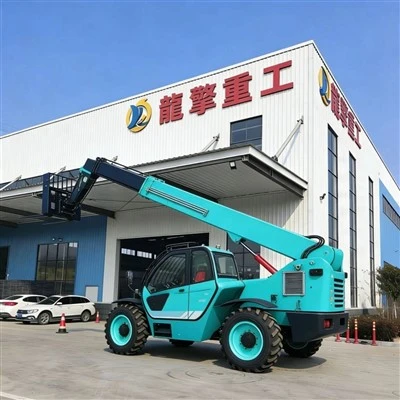
- Boom Lifts: Boom lifts have an extendable arm, known as a boom. There are two main types: articulating boom lifts and telescopic boom lifts. Articulating boom lifts have multiple joints in the boom, allowing for greater flexibility in reaching around obstacles and working in confined spaces. Telescopic boom lifts, on the other hand, have a single, straight boom that extends in a linear fashion, providing greater reach at a greater height.
- Vertical Masts: Vertical mast lifts use a mast – like structure to raise the platform. They are typically more lightweight and compact compared to scissor lifts. The mast structure provides a simple and direct vertical lift, but usually with a smaller platform size.
2. Working Height and Reach
Scissor Lifts
Scissor lifts are generally designed for lower to medium – height applications. Most scissor lifts have a working height ranging from 6 to 18 meters. They offer excellent stability at these heights and are ideal for tasks such as general maintenance, installing signage at a moderate height, and warehouse stock management. However, their horizontal reach is limited. Once the platform is raised, it mainly stays directly above the base of the lift.
Other Aerial Work Platforms
- Boom Lifts: Boom lifts can reach much greater heights. Articulating boom lifts can typically reach heights of up to 40 meters or more, while telescopic boom lifts can often exceed 50 meters. Moreover, they offer significant horizontal reach. For example, telescopic boom lifts can extend the platform outwards by several meters, allowing workers to access areas that are far from the base of the lift, such as the upper floors of a building from the street or large machinery in a factory.
- Vertical Masts: These lifts usually have a more limited working height compared to boom lifts, typically up to around 12 meters. Their reach is mainly vertical, and like scissor lifts, they do not have significant horizontal reach capabilities.
3. Mobility and Maneuverability
Scissor Lifts
Scissor lifts come in both stationary and mobile versions. Mobile scissor lifts can be either powered by electricity, diesel, or gasoline. Electric scissor lifts are commonly used indoors due to their quiet operation and zero emissions. Diesel or gasoline – powered scissor lifts, on the other hand, are more suitable for outdoor use where longer run – times and greater power are required. However, scissor lifts can be a bit bulky and may not be as maneuverable in tight spaces as some other options. They have a relatively large footprint, and their turning radius can be limited, especially for larger models.
Other Aerial Work Platforms
- Boom Lifts: Boom lifts, especially articulating boom lifts, are highly maneuverable. Their articulated booms can be adjusted in multiple directions, allowing them to access hard – to – reach areas with ease. They can be driven while the boom is in a stowed position and are often used on construction sites where there are uneven terrains and many obstacles. Telescopic boom lifts are also quite mobile but are more focused on long – range reach rather than tight – space maneuverability.
- Vertical Masts: Vertical mast lifts are known for their excellent maneuverability in confined spaces. Their compact design allows them to easily navigate through narrow aisles and doorways. They are often used in retail stores and small warehouses for tasks such as stock replenishment at height.
4. Load Capacity
Scissor Lifts
Scissor lifts generally have a higher load capacity compared to some other aerial work platforms. They can typically support loads ranging from 225 kg to 1500 kg or more, depending on the model. This makes them suitable for carrying multiple workers along with their tools and equipment. Their large and stable platforms can safely accommodate a significant amount of weight, which is beneficial for tasks that require a lot of materials and heavy – duty tools at the work site.
Other Aerial Work Platforms
- Boom Lifts: The load capacity of boom lifts can vary widely. Smaller articulating boom lifts may have a load capacity of around 200 – 350 kg, while larger models can support up to 500 kg or more. Telescopic boom lifts usually have a similar load – capacity range. However, the load capacity may decrease as the boom is extended to greater heights or horizontal distances due to the increased stress on the structure.
- Vertical Masts: Vertical mast lifts typically have a lower load capacity, usually in the range of 100 – 300 kg. Their smaller platforms and more lightweight construction limit the amount of weight they can safely carry.
5. Application Scenarios
Scissor Lifts
Scissor lifts are a popular choice for a variety of applications. In warehouses, they are used for order picking, stock management, and equipment maintenance at height. In the retail industry, they can be used for installing and maintaining ceilings, lighting systems, and signage. For building maintenance, scissor lifts are ideal for tasks such as window cleaning, painting, and minor repairs on the lower to medium – height levels of a building. Their stability and large platform make them suitable for tasks that require a stable working surface and the ability to carry multiple items.
Other Aerial Work Platforms
- Boom Lifts: Construction sites are a primary application area for boom lifts. They are used for tasks such as erecting steel structures, installing windows on high – rise buildings, and performing exterior repairs. In the utility industry, boom lifts are essential for tasks like power line maintenance, tree trimming near power lines, and inspecting tall communication towers. Their ability to reach great heights and access hard – to – reach areas makes them indispensable in these industries.
- Vertical Masts: Vertical mast lifts are commonly used in indoor settings where space is limited. Retail stores use them for restocking shelves at height, and they are also used in libraries for accessing high – level book shelves. In addition, they can be used in small industrial workshops for tasks such as equipment installation and maintenance at low to moderate heights.
6. Cost Considerations
Scissor Lifts
In general, scissor lifts are often more cost – effective compared to boom lifts, especially for similar – sized equipment. Their simpler design and lower manufacturing complexity contribute to their relatively lower price. However, the cost can still vary depending on factors such as the working height, load capacity, and power source. Electric scissor lifts may have a higher upfront cost but can result in lower operating costs over time due to their energy efficiency.
Other Aerial Work Platforms
- Boom Lifts: Boom lifts, especially those with high – reaching capabilities, tend to be more expensive than scissor lifts. Their complex boom structures, which require advanced engineering and materials, contribute to the higher cost. Additionally, the maintenance and repair costs of boom lifts can also be higher due to the complexity of their mechanisms.
- Vertical Masts: Vertical mast lifts are typically the most affordable option among aerial work platforms. Their small size and simple design result in a lower manufacturing cost, making them an attractive choice for businesses with a limited budget that need to access low – to – moderate – height areas.
Conclusion
As you can see, scissor lifts and other aerial work platforms each have their own unique features, advantages, and limitations. When choosing the right equipment for your project, it’s crucial to consider factors such as the working height required, the nature of the task, the load capacity needed, the mobility requirements, and the budget.
Lift If you’re in the market for an aerial work platform, whether it’s a scissor lift, a boom lift, or a vertical mast lift, we’re here to help. Our team of experts can provide personalized advice based on your specific needs. We understand that every project is different, and we’re committed to helping you find the most suitable aerial work platform for your job. Contact us to start a discussion about your requirements, and let’s work together to find the perfect solution for your elevated work needs.
References
- CAGI (Compressed Air and Gas Institute). “Aerial Work Platforms Basics.”
- ANSI (American National Standards Institute). ANSI A92. Standards for Aerial Lifts.
- Equipment World magazine articles on aerial work platform technology.
Shandong Longqing Heavy Industry Co., Ltd.
As one of the most professional aerial work platform manufacturers and suppliers in China, we’re featured by quality products and good price. Please rest assured to wholesale durable aerial work platform in stock here from our factory. We also accept customized orders.
Address: No.3 Shanbo Road, Hi-Tech Zone, Jining City, Shandong Province
E-mail: lqzg@lonqing.com
WebSite: https://www.longqinglift.com/
