Hey there! As a supplier of CNC lathes, I often get asked about all sorts of technical aspects, and one question that pops up a lot is: What is the cutting depth in a CNC lathe? Well, let’s dig into it and break it down in a way that’s easy to understand. CNC Lathe

Understanding the Basics of Cutting Depth
So, first off, what exactly is cutting depth? In a nutshell, the cutting depth in a CNC lathe is the distance that the cutting tool penetrates into the workpiece during a single pass. It’s a super important parameter because it directly affects how the machining process goes. If you’re not careful with the cutting depth, it can mess up the quality of the finish, how long the tool lasts, and even the overall efficiency of the whole operation.
Let’s say you’re using a CNC lathe to shape a piece of metal. The cutting tool comes in contact with the metal, and it removes a certain amount of material with each pass. That amount of material that gets removed, which is measured from the outer surface of the workpiece towards its center, is the cutting depth. It’s usually measured in millimeters or inches, depending on where you’re from and what units you’re used to.
Why Cutting Depth Matters
Now, you might be wondering, why does cutting depth matter so much? Well, there are a few key reasons.
Surface Finish
The cutting depth has a big impact on the surface finish of the workpiece. If you go too deep with the cutting, you can end up with a rough surface. This is because a large cutting depth can cause more vibration and chatter, which leaves marks on the workpiece. On the other hand, if you keep the cutting depth too shallow, it can take forever to remove the material, and it might not be the most efficient way to get the job done. You want to find that sweet spot where you can get a smooth surface finish without spending too much time on the machining process.
Tool Life
Another important factor is tool life. The cutting tool is like the heart of the CNC lathe operation. If you set the cutting depth too high, the tool has to work harder to remove the material. This can cause more wear and tear on the tool, which means it will need to be replaced more often. And let’s face it, replacing cutting tools can be expensive and can also slow down production. So, by choosing the right cutting depth, you can extend the life of your cutting tools and save some money in the long run.
Machining Efficiency
Efficiency is key in any manufacturing process, and cutting depth plays a major role in it. A well – chosen cutting depth allows you to remove the maximum amount of material in the shortest amount of time. If you’re removing too little material per pass, you’ll have to make a whole bunch of passes to get the job done, which takes forever. But if you’re removing too much material at once, it can lead to problems like tool breakage or a poor surface finish, which also isn’t good for efficiency. So, finding the optimal cutting depth is crucial for keeping your production running smoothly.
Factors Affecting Cutting Depth
There’s no one – size – fits – all answer when it comes to determining the right cutting depth. A bunch of factors come into play.
Workpiece Material
The type of material you’re working with is a huge factor. Different materials have different properties, such as hardness, toughness, and ductility. For example, machining a soft material like aluminum is a lot different from machining a hard material like stainless steel. Soft materials can usually handle a larger cutting depth because they’re easier to cut through. But with hard materials, you need to be more cautious and might have to go with a smaller cutting depth to avoid putting too much stress on the cutting tool.
Cutting Tool Geometry
The shape and design of the cutting tool also matter. Tools with different geometries are better suited for different cutting depths. For instance, a tool with a large nose radius can generally handle larger cutting depths compared to a tool with a small nose radius. The rake angle, clearance angle, and other geometric features of the tool can affect how it cuts through the material and how much material it can remove at a time.
Machine Rigidity
The rigidity of the CNC lathe itself is another factor. A more rigid machine can handle more aggressive cutting depths because it can better withstand the forces generated during the machining process. If your machine isn’t very rigid, trying to use a large cutting depth can cause excessive vibration and chatter, which can mess up the workpiece and damage the tool. So, you need to take the machine’s capabilities into account when setting the cutting depth.
How to Determine the Right Cutting Depth
Determining the right cutting depth isn’t an exact science, but there are some steps you can take.
Start with Manufacturer Recommendations
Most cutting tool manufacturers provide guidelines on the recommended cutting depth for their tools based on the type of material being machined. These recommendations are a great starting point. You can look at the tool’s datasheet or contact the manufacturer directly to get this information.
Conduct Test Cuts
Once you have a general idea from the manufacturer, it’s a good idea to conduct some test cuts on a sample workpiece. Start with a relatively small cutting depth and gradually increase it while observing the surface finish, tool wear, and how the machine is performing. This hands – on approach can help you find the optimal cutting depth for your specific application.
Consider the Overall Machining Strategy
Your overall machining strategy also plays a role. For example, if you’re doing rough machining, you might be able to use a larger cutting depth to quickly remove most of the material. But for finish machining, a smaller cutting depth is usually required to get that smooth surface finish. You need to plan your machining process in a way that takes advantage of the right cutting depths for each stage.
Our Role as a CNC Lathe Supplier
As a CNC lathe supplier, we have a wealth of knowledge and experience to share with our customers. We understand that getting the cutting depth right is crucial for a successful machining operation. That’s why we’re always here to help. We can provide advice on choosing the right CNC lathe for your specific needs, and we can also offer guidance on setting the appropriate cutting depths.
Our team of experts is well – versed in the latest industry trends and technologies. We can help you troubleshoot any issues you might encounter related to cutting depth or other aspects of CNC lathe operation. Whether you’re a small – scale manufacturer or a large production facility, we’re committed to providing you with the support and solutions you need.
Reach Out to Us for More Information
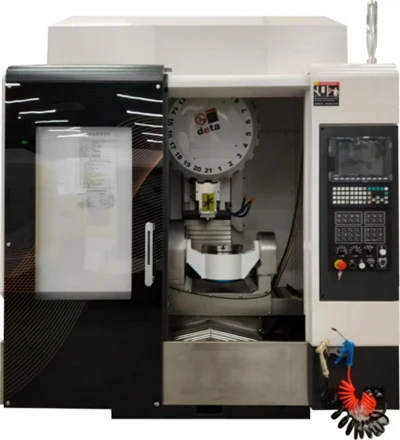
If you’re in the market for a CNC lathe or if you have any questions about cutting depth or other CNC lathe – related topics, don’t hesitate to reach out to us. We’d love to have a chat and see how we can help you optimize your machining process. Whether you’re looking for advice on tool selection, machine setup, or anything else, we’re here to assist you. Contact us today, and let’s start a conversation about how we can take your manufacturing to the next level.
References
Profile Machine Machinist’s Handbook, 31st Edition
CNC Machining Technology textbooks
Manufacturer’s tooling catalogs and technical documentation
Taizhou Qiyang Trading Co., Ltd.
As one of the most professional CNC lathe manufacturers and suppliers in China, we’re featured by quality products and good price. Please rest assured to buy bulk CNC lathe for sale here and get quotation from our factory. Customized orders are welcome.
Address: Zhenhai Village, Binhai Town, Wenling City, Taizhou City, Zhejiang Province
E-mail: qycncmachine@outlook.com
WebSite: https://www.qycncmachine.com/
